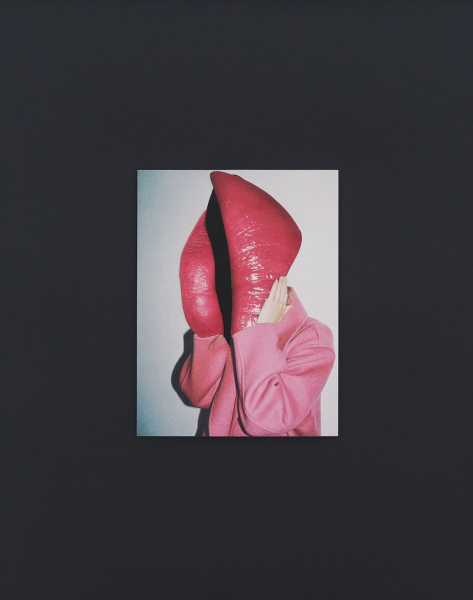
"The pains that we hold oftentimes were the origins of the personality being developed in the first place. That Persona that we develop — which is a mask — is the barrier between us and the wound. It serves as the protection mechanism as it did earlier in our childhood. But then it also becomes the barrier to joy as we age." — G. Maté
I’ve always been drawn to the idea of the mask we build up to protect our softer, vulnerable sides. This concept closely mirrors Carl Jung’s idea of the Persona: we create these facades early on to feel safe, but eventually, they just get in the way of real joy. My process of cutting, painting, and uncovering naturally plays with this tension, as I try to gently peel back the layers to see what is hiding underneath.
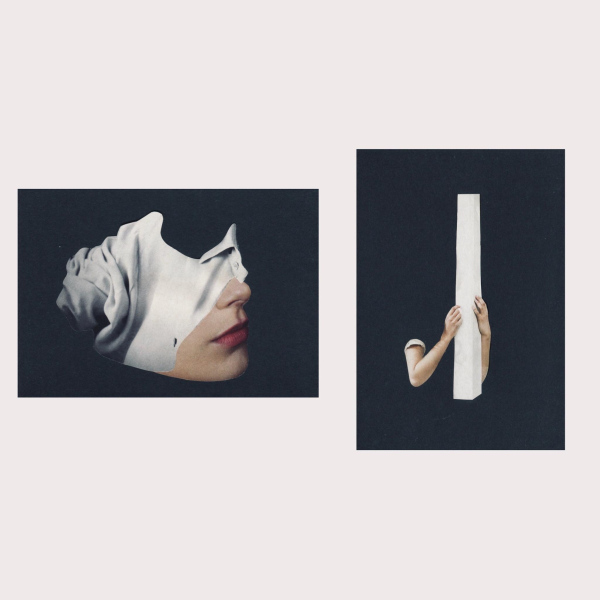
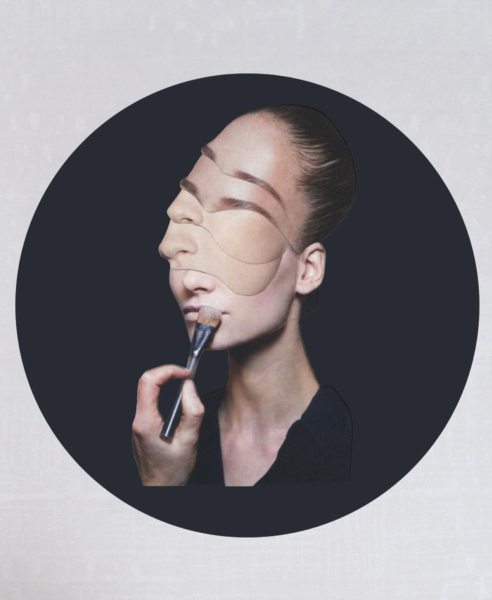
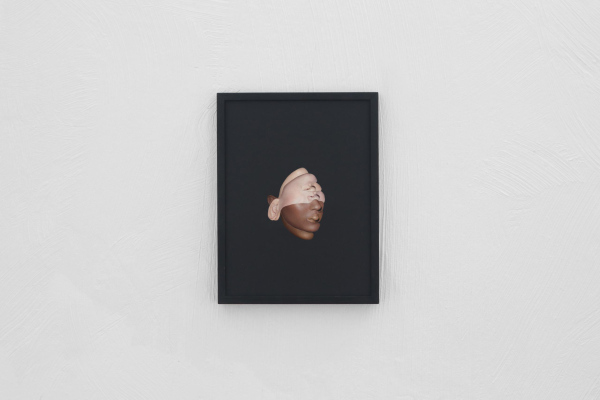
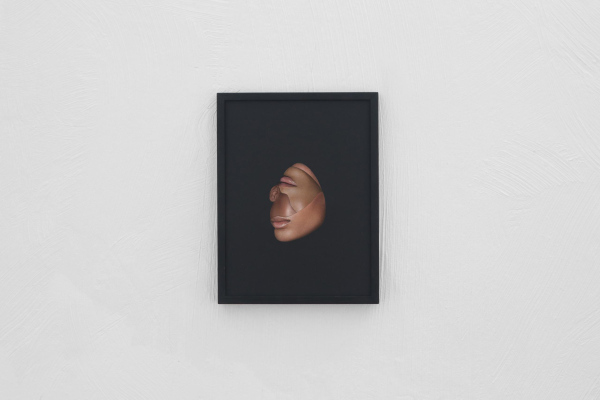
The collage on paper series are primarily figurative, yet they suggest a gaze turned inward, articulating a deeply individual experience of the intimate and the vulnerable. The dismantled forms evoke a sense of fragmentation, reflecting a dissociation from the body that speaks to the psychological toll of recurring objectification.
The work explores the tension created by the sexualization of the female body and the cultural constructions that pressure women to exist as objects to be viewed. This results in a splitting of the self, where the individual begins to internalize an external lens, inhabiting the space between their own identity and the image projected upon them.
The surreal quality of the collages captures the absurdity of this alienation. At its core, the work functions as an inquiry into the gaze: it is not merely about how a woman is seen, but about how she experiences the weight of being watched and how that affects her own self-vision. The mirror becomes a central symbol here, representing not vanity, but the uneasy threshold where private self-perception meets the lingering fear of external judgment.
The recurring elements in these compositions focus on the face as a site of transformation. I manipulate negative space by either erasing the eyes entirely or, conversely, leaving only the gaze behind while the rest of the features vanish. This minimalism invites a deeper, symbolic interpretation of the body.
By isolating specific features - a mouth, the curve of the lips, or a smile - it fundamentaly changes how they are perceived. Once extracted from their source, these fragments take on a sense of unease. A smile, when isolated, can appear performative or disconnected, evoking a detachment that mirrors the broader themes of alienation.
The face functions not as a representation of a human being, but as a revelation of the mask we wear to negotiate the "outside." In our digital era, this mask has taken on an obsessive weight; we meticulously craft identities on social platforms until the facade begins to crack. Yet, the mask is also a social and spiritual necessity : it can be used as a tool for adaptation and a vessel for transcendence.
In these works, the mask is never fully visible; it is fragmented, dissolving, or suspended in an "in-between" state. This lack of balance reflects a restless, unresolved search. The process of collage mirrors this internal journey: it is a physical effort to gather the dispersed pieces of the self and build upon what has been broken. By reassembling these fragments, I explore the tension of a soul caught in the act of putting itself back together, trapped between the hidden truth and the performed image.
All rights reserved © 2026