Group show
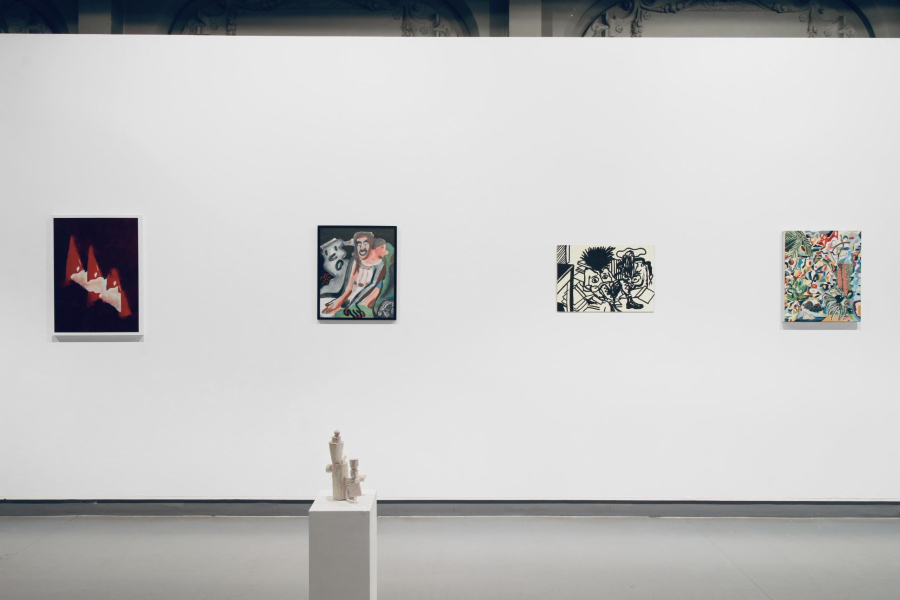
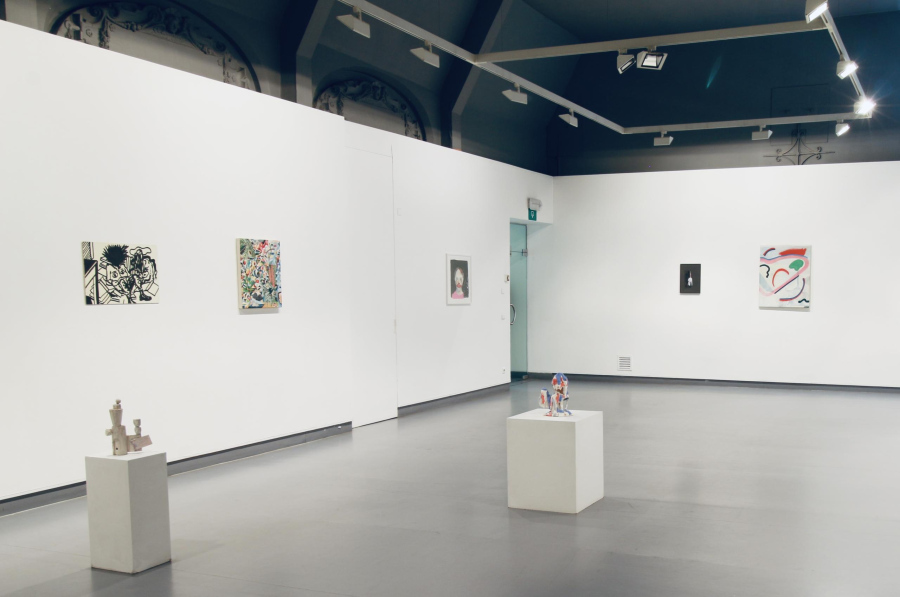
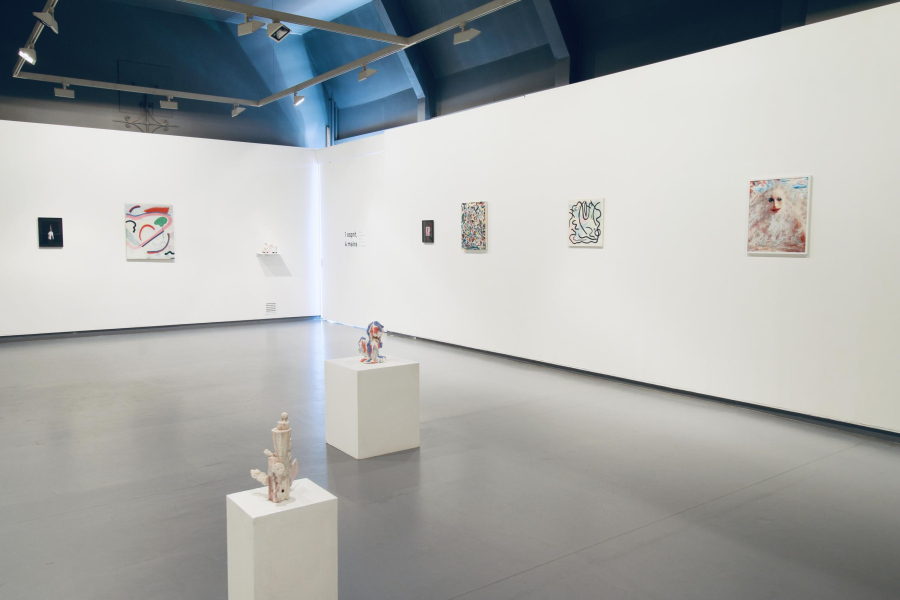
1 esprit, 4 mains
17.4.2022 - 22.5.2022 | Tielt
Following a visit to the studio of Sophie Vanhomwegen, March 2022
"I have done everything and never cared about style or hallmarks (I did everything without worrying about style or characteristics)" – Hannah Höch
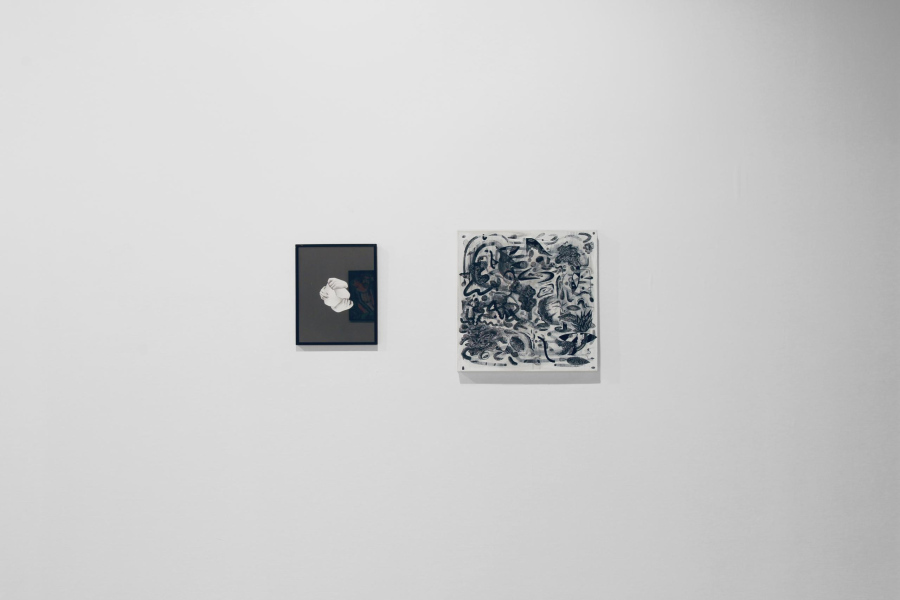
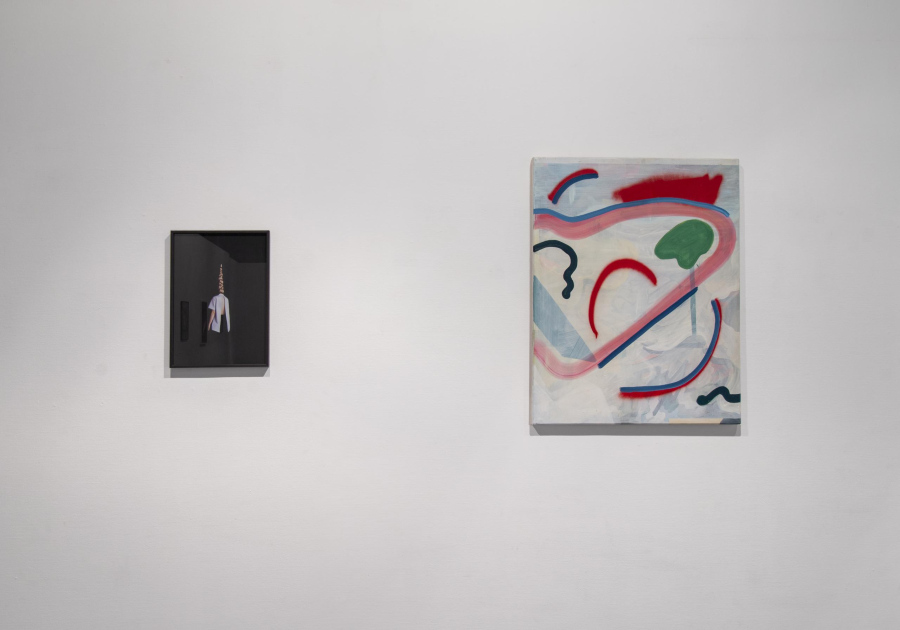
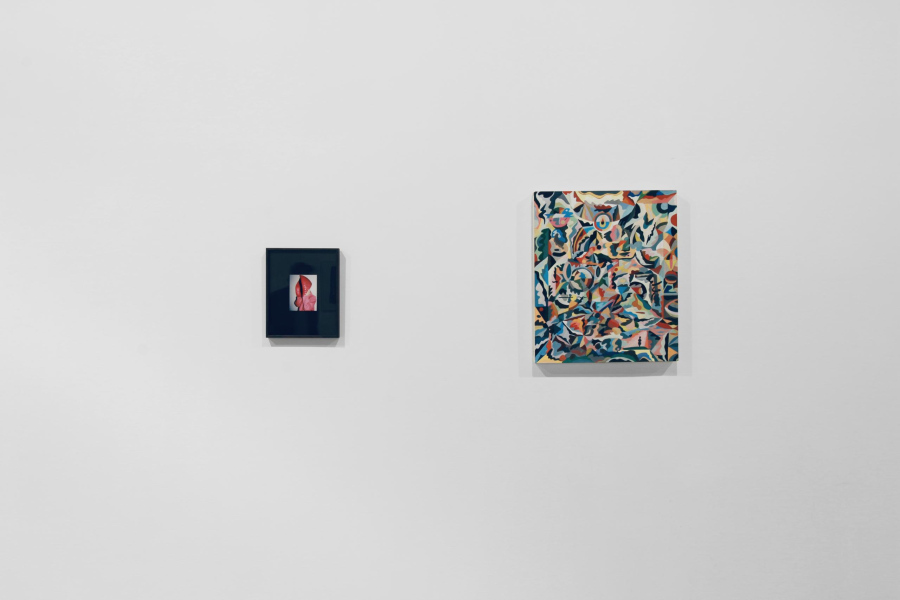
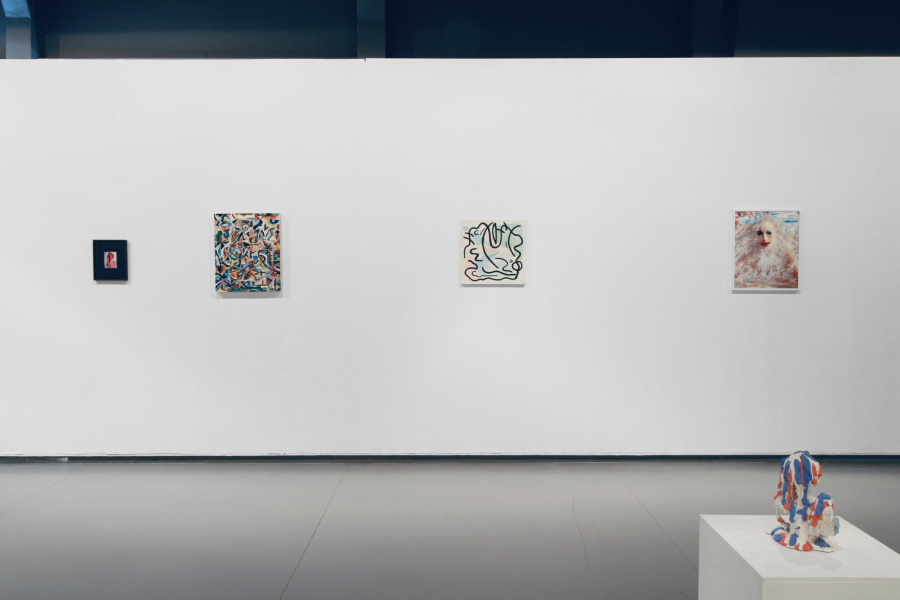
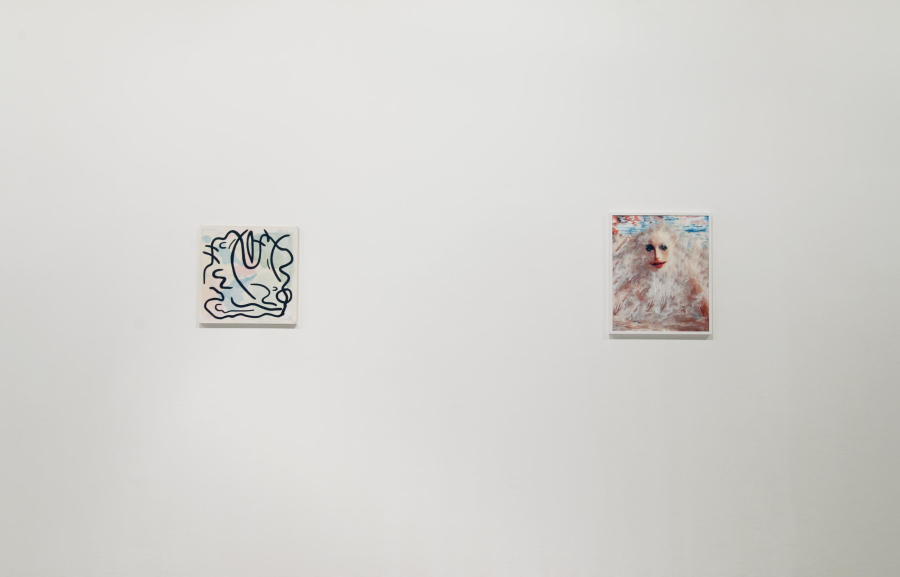
Mercury. That is how you could describe her work. It is difficult to pin down and not easily categorized. Trained as a new media artist, Sophie Vanhomwegen dives into magazines to fish out fragments of existing images and combine them without prejudice. With scissors and glue stick, preferably without a preconceived plan. The images trigger the best Dadaist work, which by now has been going strong for over a century. Heartfield, Schwitters, Stezaker, Hannah Höch... they are her family. Sophie explores a curious image of women: distorted, inviting, often alienating, sometimes even threatening.
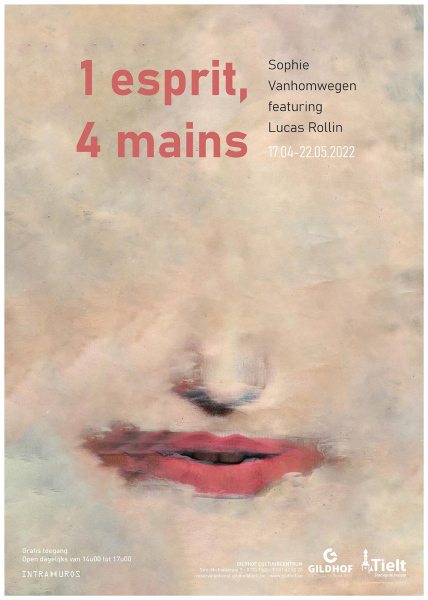
But anyone who wants to pin her down as a nostalgic, aestheticizing collage artist is mistaken. She meticulously abandons that idiom at the very last moment. She runs her carefully composed collages through the scanner and attacks them with digital tools. The result of that diligence is a print in which the image regains a classic, paper-like appearance, where the pasted key figure becomes one whole. Sometimes it becomes deceptively painterly, such as a pair of red lips getting the allure of smeared lipstick through a glitch in the scan. And who could object to the print being physically worked on with paint afterwards? Or to erasing the traces of all those intermediate phases again or making them blurry with a new digital layer or a fresh pasted fragment? With the right app on her phone, she even succeeds in setting lips in motion.
That photography, painting, or a drawing in themselves have become poor instruments for capturing a fragmented world on their own is an open door. We have been flooded by all kinds of printed imagery of photographic images as long-interchangeable truths, manipulated by choices, idealization, and framing. We also swim digitally through our image floods and software developed to "pimp" images, the more the better. The seams between lie and reality are barely visible anymore. And then we haven't even talked about the influence of pre-chewed stock images, bloodlessly cut off from reality or determined by algorithms. What remains other than a frantic information-wasteland, with faces, portraits, limbs, and spots torn out of context? And yet there is a longing for coherence. With randomly picked remnants and the right tools, you soon give the patchwork the air of information. Innocence is not always present here. Malicious spirits brew "fake news" with it. It takes a large portion of hindsight and the right insight to distinguish the "lived" from the "represented." But hey, look at the bright side... art opens up unbridled opportunities.
It is the large playground of phantom images where a new generation of artists can experiment to their heart's content, no longer hindered by fixed ideas, genres, or techniques. What’s the point in being a painter; can a found body part from Vogue serve just as well? Who needs a gallery if a well-aimed post can generate a hundred views a day? And who cares how a digitally posted image came to be?
I let the word "fluid" drop during our conversation, and Sophie eagerly picked it up. Artistic disciplines appear to be houses of cards rather than sacred houses. And with that mentality also disappears the belief in the uniqueness of the artwork and the artist as a genius. In Sophie’s small loft, life and art blend. The sofa hides behind stacks of work, the dining table must be cleared at a moment's notice to welcome a visiting Swiss fellow artist who is pushing household items aside for an exhibition. Sophie’s modest living, in the cultural melting pot of Saint-Gilles, under the shadow of the South Tower, is indeed one big exhibition space.
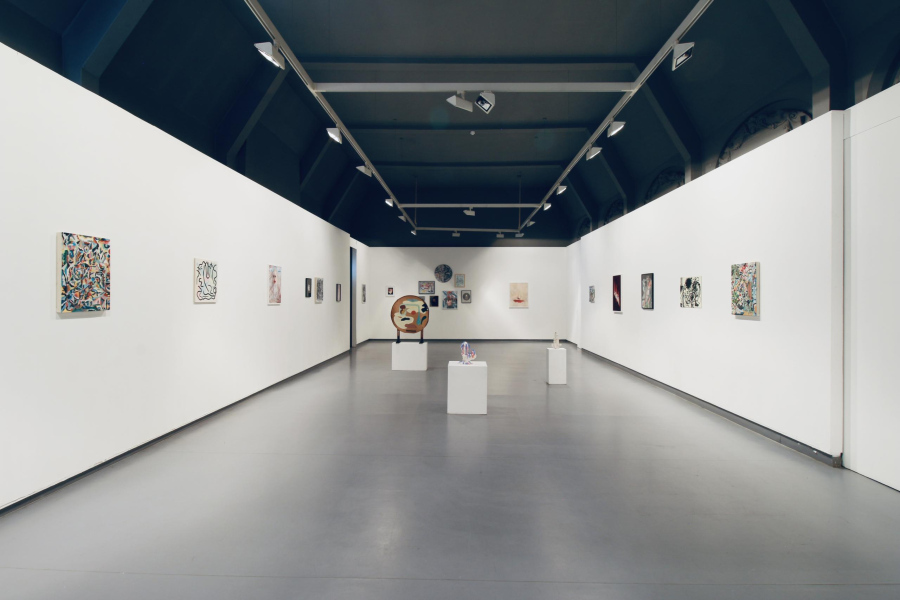
Lucas Rollin is one of the regular visitors: a young Frenchman who, as a painter and illustrator, built a busy, fantasy-rich world with self-conceived forms and elements from folk, street culture, and advertising. Naive, burlesque, or theatrical are adjectives he does not shy away from himself. He calls his work a seesaw between sublime and morbid, raw and feeling, beautiful and ugly, academic and avant-garde. His most recent exploits sometimes take a detour towards lyrical abstraction and even sculptures made from recycled material. His hunger for images knows few boundaries or taboos.
The mild anarchism with which young "urban" artists fertilize each other creatively is a relief. They are reminiscent of the uninhibitedness with which Cobra artists huddled together in the same Brussels in the 1950s and worked together on one canvas in "peintures partagées." Authorship is relative. A creative process is often favored by a kind of dialectic, where the decision of one artist provides an impulse for the second to let loose. And that option is not passed up for long. The chameleon-like attitude of Lucas Rollin makes him an ideal sparring partner for Sophie’s experimental drive. Whether that results in an ensemble on one wall, or on two, or even on one support, ultimately makes little difference. Like doubles players on a tennis court, they strengthen each other's quest.
Frederik Van Laere